Picking the right class in Last Stop sets the tone for your first dozen runs, and a poor early choice can leave you grinding tickets for a respec you did not plan for. The Roblox zombie-survival title from The Hidden Route hands every player a starting class at no cost, but the real roster — including the meta-shaping Alien — is locked behind Class Tickets earned through daily quests and blueprint progress. Knowing what each starting class actually does, how much the upgrades cost, and which role matches your playstyle is the difference between reaching the bus stop and restarting from a broken pickup truck.
This guide breaks down the Last Stop starting class roster, the costs behind switching into a better option, and the abilities that matter most in your earliest waves, so the next ticket you spend actually moves your build forward.
How the Class System Shapes Your First Pick
Classes in Last Stop are role-defining presets that change how your character fights, scavenges, and survives on the way to the final bus stop. Every match starts you with a baseline default starter archetype, and from there you unlock specialized loadouts that pair with specific buses, weapons, and armor. The class system is also the main reason two players running the same weapon can feel completely different in combat: one might have a class that boosts ranged damage, while another pulls aggro with a melee-bias kit.
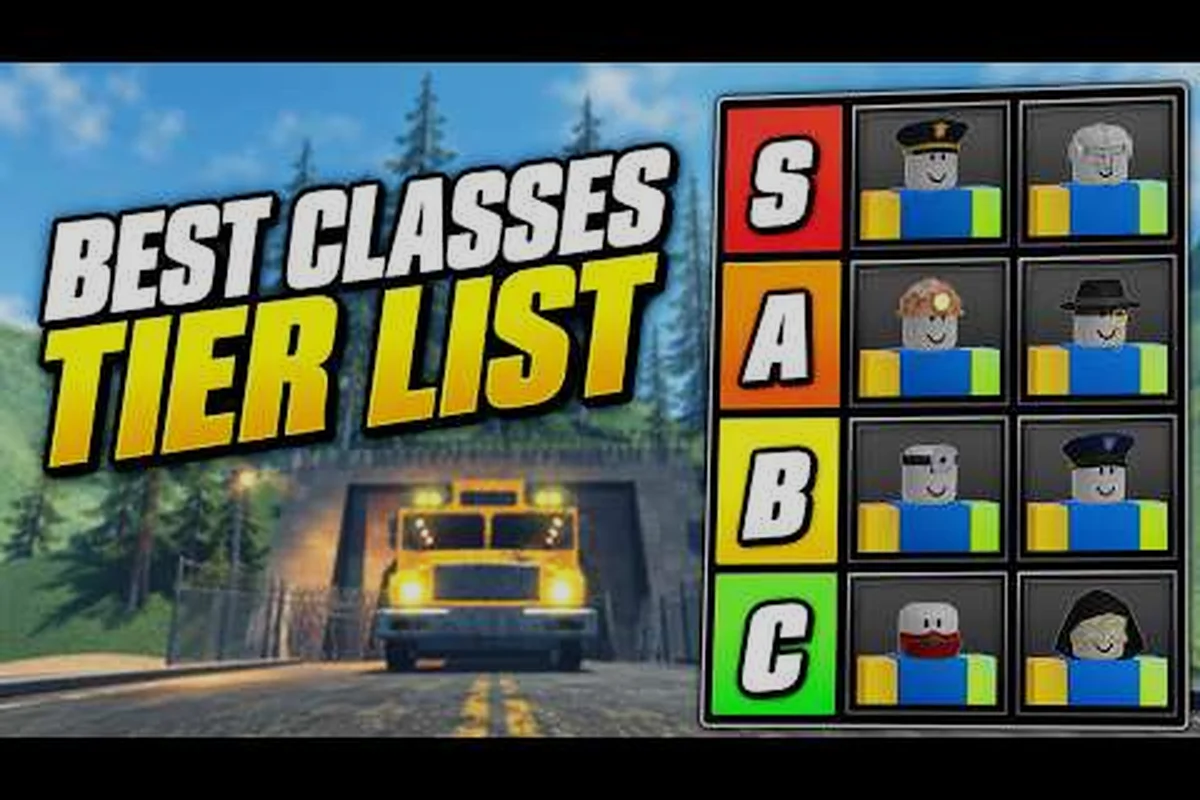
The full class list has grown quickly since the August 2026 launch, and Update 3 has already added the Electrocute class alongside the ocean content. Community-run tier lists still rank Alien at the top because of how cleanly it synergizes with the Alien Bus, but the starters are intentionally cheap so new players can experiment without burning tickets.
How Class Tickets and Unlocks Work
Class Tickets are the soft-currency gate between your default starter kit and the seven or so specialized classes the community tracks in the September 2026 roster. You earn them passively by completing Daily Quests, and they accumulate as part of your long-term blueprint progression, which is why the "free" classes do not actually feel free in the long run if you keep buying new ones without finishing your daily loop.
| Source | Ticket Yield | Cadence | Notes |
|---|---|---|---|
| Daily Quests | 1-3 per quest | Daily reset | Highest yield per minute if you finish all three |
| Blueprint Progression | 1-5 milestones | Per account | Tied to overall Last Stop level, not per-match |
| First Win Bonus | 1 | Per day | Resets with the daily quest board |
| Limited Events | 2-10 | Event window | Update 3 ocean event boosted this temporarily |
The progression curve is gentle on purpose: you can have a second class within the first three days if you play your dailies, but the meta classes like Alien or Legendary slots require a small ticket cost of saving. The community has been pretty clear that ticket hoarding matters more than buying the flashiest class on day one, because switching is cheap if you have the stock but punishing if you have to grind from zero.
Why Your Starting Class Choice Matters Early
Your starting class in Last Stop is what you bring to the table on runs where you have not unlocked anything else yet, and it shapes your first real encounter with the bus economy. A Starter Melee build is forgiving on loot-starved runs because you can swing through crowds without burning ammo, but a Starter Ranged kit makes the mid-game boss fights much more controllable if your aim is consistent. Picking a starting class that fights against your natural rhythm is the single most common reason new players burn out before they ever see the real roster.
Community testing reported by creators like Cocajola and TonyCool consistently finds that players who front-load a class they enjoy stick with the game longer, even when the class is technically weaker than a later unlock. That matters more than the tier list suggests, because Last Stop's grind has plenty of friction between daily quests and rare bus parts.
Last Stop Starting Class Roster and Roles
The starter class list 2026 has settled into a recognizable triangle: melee, ranged, and support, with a hybrid option that becomes available after your first few ticket spends. Every class pulls from the same weapon pool but modifies your cooldowns, stamina cost, and a small passive that does not show up on the weapon tooltip. Reading those passives carefully is the easiest way to understand why two classes with the same gun perform so differently in practice.
The breakdown below covers the four starting archetypes, the role each one fills, and the passives that define them in early runs. The numbers are community-reported as of the September 2026 patch and may shift with future balance changes.
| Starting Class | Role | Primary Passive | Best Match For |
|---|---|---|---|
| default starter | Balanced | Slightly better loot rarity | First-time players |
| melee starter | Melee damage | Reduced stamina on swings | Aggressive scavengers |
| looter role | Ranged damage | Faster reload on pistols | Conservative aimers |
| support role | Support | Slow team bleed-out | Co-op-first players |
Default starter — The Default Class for New Runs
default starter is the class you spawn with on a fresh account, and it is intentionally tuned to be the least punishing option in the game. The small loot rarity bonus passive means you will see uncommon drops slightly more often than other classes, which compounds nicely across a full match. It is not exciting, but it is the safest starting class if you are still learning the map layout and bus upgrade paths.
If you only run default starter for the first ten hours, you will not feel locked out of any content. The community has noted that default starter's loot bonus becomes a real edge in the late game when rare blueprints start to matter, and the gap between default starter and the meta classes narrows as your bus gets fully armored.
Melee starter — Melee Damage and Stamina Economy
melee starter is the melee-first class that the community often recommends for solo players who like to control the crowd directly. The class passive reduces stamina drain on swings, which sounds small but lets you keep pressure on a zombie horde without backing off to recover. The trade-off is that you spend more time in melee range, which means you need bus armor up to a basic tier before the boss waves hit.
Melee starter pairs well with the early starter chassis bus and any sword-class weapon you loot in the first few buildings. If you plan to swap to a stronger melee class later, melee starter also teaches you the swing timing and parry windows that stay relevant across the roster, so the early grind is not wasted.
Looter role — Ranged Pressure and Reload Speed
looter role is the ranged-damage pick for players who prefer keeping threats at arm's length. The reload speed bonus is the smallest stat change of any starting class, but it stacks with any weapon that has a long reload animation, which is most of the shotguns and LMGs in the loot pool. That makes looter role a natural fit for boss fights where every second of downtime is damage lost.
The downside is that looter role does not help you survive a close-range rush any better than default starter, so you need to control spacing. Players who main looter role tend to prioritize the bus armor upgrades and bus-mounted weapons before they invest in their own gun, because the class rewards a strong foundation more than raw aim.
Support role — Support and Slow Bleed-Out for Co-op
support role is the only starting class with a team-facing passive, and it turns Last Stop into a much more forgiving experience when you queue with a full 25-player server. The slow bleed-out passive gives you and nearby teammates a longer window to revive after going down, which is the difference between losing a wave and clawing back into the fight. It is the weakest solo class because the passive has no single-player benefit, but it is the strongest co-op class in the early roster.
If you queue with randoms and notice players dropping left and right, switching to support role stabilizes a run even when nobody else is coordinating. The class also makes you the natural team lead for revive priority, which is a small thing but it tends to snowball into better loot distribution at the bus.
Class Tickets, Costs, and the Path to Better Classes
Tickets are the single resource that gates your real build in Last Stop, and most players underestimate how slowly they accumulate if you skip dailies. The base cost to unlock a non-starter class sits at 5 Class Tickets for the cheap end of the roster and 15 Class Tickets for the meta picks like Alien, with Legendary slots sitting at 20 or more. That spread means you can build out a two-class rotation in roughly two weeks of dailies, but you will need a full month of disciplined farming to reach the Alien or Legendary bracket.
The economy is intentionally slow because Last Stop's developers want each class unlock to feel like a real upgrade, not a cosmetic change. Players who try to brute-force the unlock by buying the most expensive class on day one typically regret it, because they end up stuck in a class they have not learned, with no tickets left to experiment.
| Class Tier | Ticket Cost Band | Example Classes | Realistic Unlock Window |
|---|---|---|---|
| Starter | None | default starter, melee starter, looter role, support role | Day 1 |
| Early | Low | Frost-tier starters | Week 1-2 |
| Mid | Low | stealth class, AoE class | Week 2-3 |
| Meta | Low | Alien, Electrocute | Week 3-5 |
| Legendary | Low | Brute, stealth bus | Month 1+ |
Daily Quests and Blueprint Progress as Your Ticket Engine
The fastest way to get class tickets is to clear all three daily quests every day, even when the quest asks you to do something repetitive like scavenge ten buildings. Blueprint progression is the slower but more passive source, and it caps at five total tickets across your account's lifetime milestones. If you skip a day, the quest does not bank — it just resets, which is why community veterans hammer on the importance of a daily login habit.
Players who fall behind on dailies often pivot to grinding blueprint XP by replaying mid-difficulty bus routes, but that grind is not ticket-efficient compared to the three daily quests. The best routine is dailies first, blueprint XP second, and only then bus upgrades that have nothing to do with tickets.
How Class Costs Scale as You Unlock More
Each class you unlock raises the cost of the next one on the same tier by one ticket, a soft scaling that prevents alt-account players from buying the whole roster in a week. The mechanic is invisible in the class menu, but you can feel it the first time you try to grab a second mid-tier class after burning tickets on an early unlock. The class you buy is always cheaper than the next class one tier up, which is why players often pick two early classes before saving for a meta class.
The class cost curve is also why a comprehensive Last Stop classes breakdown is worth reading before you commit your first batch of tickets. If you understand which two early classes actually complement each other, you avoid the trap of buying two of the same archetype and ending up with no role coverage in your rotation.
Class Abilities and What Actually Changes in Combat
Class abilities in Last Stop are not flashy ultimate moves — they are passive stat shifts and one active cooldown per class that defines your role in a wave. The active cooldown is the part most players miss, because the tooltip buries it under the passive description. Once you understand that every class has exactly one active ability on a minute or more cooldown, the combat loop clicks into place: position, use the active, then play the passive for the rest of the wave.
The strongest class abilities in the current patch all share one trait: they either buy you time or multiply damage in a short window. Abilities that give flat stat bonuses without a window tend to be the weakest, because they are outperformed by raw bus upgrades.
Active Abilities by Class
| Class | Active Ability | Cooldown | Window Effect |
|---|---|---|---|
| melee starter | Adrenaline Rush | Long | A brief window of faster swings |
| looter role | Quick Reload | Moderate | Instant reload plus a brief fire-rate boost |
| support role | Field Revive | Long | Revive one teammate at full health |
| Alien | alien damage window | Long | A short boss-damage window |
| Electrocute | area shock ability | Moderate | Hits the nearest zombies for heavy damage |
The Alien active is what makes the class top-tier: an above-average boss-damage window that lines up with every major boss phase, and it is one of the reasons Alien bus routes are the most consistent late-game farming path. Electrocute's area shock ability is the new hotness from Update 3 and works especially well in tight indoor scavenging zones, where the chain bounces through clustered zombies.
Passives That Quietly Win Fights
The passives are the unsung part of every class, and they are why two players with the same gun have noticeably different clear speeds. Default starter's loot bonus is the most underrated passive in the game because it does not show up on the kill feed, but it pays off across a full match. Melee starter's stamina reduction, looter role's reload bonus, and support role's slow bleed-out all look small in the stats screen, but they compound over a 20-minute run more than any single weapon upgrade.
Players who want to squeeze the most out of a class should check the passive tab in the character menu before swapping, because a class with a passive that does not match your playstyle will feel weak even if the active ability is strong.
Picking the Right Class for Your First Run
The honest answer to the question of what class to pick in Last Stop is the one you will play consistently, not the one the tier list says is best. The meta answer is Alien if you can afford it, because the alien damage window and bus synergy make it the most forgiving option for solo boss runs. The practical answer is whichever starter class matches how you already like to play, because the tickets you save by not bouncing between classes will fund the meta pick faster.
If you play solo and prefer melee, start melee starter and save for Alien. If you play solo and prefer ranged, start looter role and save for Electrocute. If you queue with a regular squad, start support role and save for Alien as your second class so you can flex between support and damage roles. These three paths cover nearly all new players based on community reports, and they all converge on Alien as the long-term target.
The honest summary of the three paths is that they all converge on the same long-term target. Whichever starter you pick, the tickets you save by not bouncing between classes are what fund the Alien unlock, and the passive you learn on the way there is the one that keeps you alive while the tickets accumulate.
Recommendations by Playstyle
| Playstyle | Starter Class | Target Class | Reasoning |
|---|---|---|---|
| Solo Melee | melee starter | Alien | Stamina economy translates directly to alien damage window uptime |
| Solo Ranged | looter role | Electrocute | Reload speed lines up with area shock ability timing |
| Co-op Support | support role | Alien | Slow bleed-out keeps squads alive; Alien adds boss damage |
| Loot Focus | default starter | Legendary | Loot rarity passive compounds with Legendary passive bonuses |
If you are still undecided after reading the table, the Last Stop new player guide walks through the first three hours of progression and shows exactly when you should switch classes for the first time. It also covers the bus armor breakpoints that matter for the boss fight, which is a closely related topic because your class only performs as well as the bus it is riding.
Common Mistakes to Avoid on Your First Class
The most common mistake is buying a meta class on day one and then bouncing because you do not understand the active ability timing. The second most common is spreading tickets across three early classes instead of saving for a single meta pick, which leaves you weaker than any focused build. The third is picking a class that fights your preferred weapon: a support role main with a shotgun kit will underperform a looter role with the same shotgun, because the passives do not stack in the way you might expect.
A good rule of thumb is to play your starter class for at least five full runs before spending a single ticket, which is enough time to learn the map, the bus economy, and the boss phases. After that, save tickets in chunks of five so you can buy an early-tier class without starving your meta fund.
Frequently Asked Questions
What is the best class to pick first in Last Stop?
The best first class depends on your playstyle, but Alien is the strongest overall pick once you can afford the 15 Class Tickets, thanks to its alien damage window boss-damage window and synergy with the Alien Bus. If you cannot afford Alien yet, melee starter is the safest starter for solo players, while support role is the strongest option for co-op squads.
How do I get class tickets in Last Stop?
You earn class tickets by completing all three Daily Quests every day, which yields a small number of tickets per quest. Blueprint progression milestones add another trivial ticket cost across your account lifetime, and limited events occasionally drop bonus tickets. The fastest reliable method is finishing dailies without skipping a day.
How much do non-starter classes cost in Last Stop?
Non-starter classes range from 5 Class Tickets for early-tier options like the early-tier damage classes, up to a small ticket cost for meta classes like Alien and Electrocute, and a modest ticket cost for Legendary slots. Each class you unlock adds a small soft-cost increase to the next one on the same tier.
Can I switch classes without spending a ticket?
No, switching to a class you have not unlocked always costs a Class Ticket the first time. After a class is unlocked, you can swap between your owned classes freely in the character menu, which is why the long-term goal is to own at least two classes so you can flex roles between runs.
What is the difference between starting class passives and active abilities?
Passives are permanent stat bonuses that affect every moment of a run, while active abilities are cooldowns you trigger manually for a short damage or utility window. Most classes have one passive and one active, and the strongest class for a given playstyle is usually the one whose active ability lines up with how you already like to play.