Bus Building
Last Stop bus building guide: metal walls, grills, fuel, tires, storage, traps and sleeping bags that turn a bare bus into a rolling fortress that survives every checkpoint.
Introduction
The Bus Building hub is the heart of Last Stop, because the bus is your base, your storage and your main line of defense all at once. This page covers every upgrade that turns a bare vehicle into a rolling fortress: metal walls, bulletproof windows, grills, fuel and tire management, storage and traps. Each choice has a trade-off, like the snow plough grill versus the saw grill, and we explain which upgrades matter most at each stage of the road. The bus is not just a thing you ride in; it is a second character you level up alongside your own inventory, and the players who treat it that way consistently push further than those who spend everything on the latest gun.
Bus Upgrade Quick Reference
| Upgrade | Purpose | Priority |
|---|---|---|
| Metal Walls | Top-tier armor | High |
| Grill (Snow Plough / Saw) | Offense vs durability | Medium |
| Fuel Chest + Spare Tire | Survival insurance | High |
| Wall Traps + Spikes | Thin melee zeds | Medium |
Upgrade Breakdown
Metal Walls
Top-tier armor that blunts ranged enemies before they reach the bus
Grills
Snow plough grill versus saw grill is offense against durability
Fuel & Tires
The cheap insurance that stops runs from ending early
Traps
Wall traps and spike builds that thin melee zeds before they touch the bus
Core Mechanics
Bus building in Last Stop is a resource game layered on top of the survival loop. Every part of the bus, from walls to grills to storage, costs materials and cash you earn by scavenging, selling and surviving, so each upgrade is an investment trade-off against buying weapons or restocking ammo. The key systems are armor, which decides how many hits you can take; mobility, which means fuel and tires working reliably; storage, which lets you carry more loot between stops; and traps, which add passive damage. The craftable sleeping bag and sack add utility, letting you skip dangerous night legs and sell zombie corpses. Because durability values and material costs are community-reported, treat exact numbers as close estimates rather than fixed stats, and re-check after each update.
Advantages
A well-built bus compounds across the entire run, so the upgrades you buy early keep paying off for every later checkpoint. Players who prioritize walls and a spare tire stop dying to the mid-leg disasters that end other runs, and the roof storage plus double chests mean fewer trips back to the bus to dump loot. The trap layer adds passive damage that works while you fight, and the sleeping bag and sack turn otherwise wasted time and corpses into safe nights and cash. The bus is also the one investment that never gets outclassed by a patch, because its value is structural rather than meta-dependent, making it the safest place to put early resources before the meta-specific gear.
Challenges
Bus building competes for the same cash as weapons and ammo, so over-investing in the bus leaves you under-geared for fights, while under-investing leaves you stranded by a blowout or an empty tank. Durability values and material costs are community-reported, so a patch may change the numbers behind these recommendations without notice. Traps and grills have clear trade-offs, so copying a tier list without matching the build to your playstyle can waste resources. The craftable items like the sleeping bag and sack require materials you have to gather, so they are not free utility. Balance the bus against your own loadout and route, and re-check the Updates page when a patch touches bus parts.
Frequently Asked Questions
What is the most important bus upgrade in Last Stop?+
Which grill is better, snow plough or saw?+
How do I stop the bus from stalling at a checkpoint?+
Quick Tips
Keep a dedicated fuel chest next to the gas tank and a spare tire in the bus at all times, because an empty tank or a wheel blowout is the classic mid-leg disaster that strands a healthy run in the middle of a swarm. Check both at every stop so the bus is never caught out by a longer-than-expected leg.
Pair metal walls with bulletproof windows to blunt ranged enemies before they reach you, because the bus dies fastest to shooters rather than melee. The armor layer is worth more than a bigger gun in the first few miles, so get the first pass of walls done before you spend on offense.
Craft a sleeping bag to skip dangerous night legs and a sack to sell zombie corpses, so the same loop of scavenging keeps funding itself. The sack turns trash mobs into income, and the sleeping bag removes the most dangerous part of the day-night cycle entirely. Treat this craftable utility as a core part of the route rather than an optional extra.
Featured
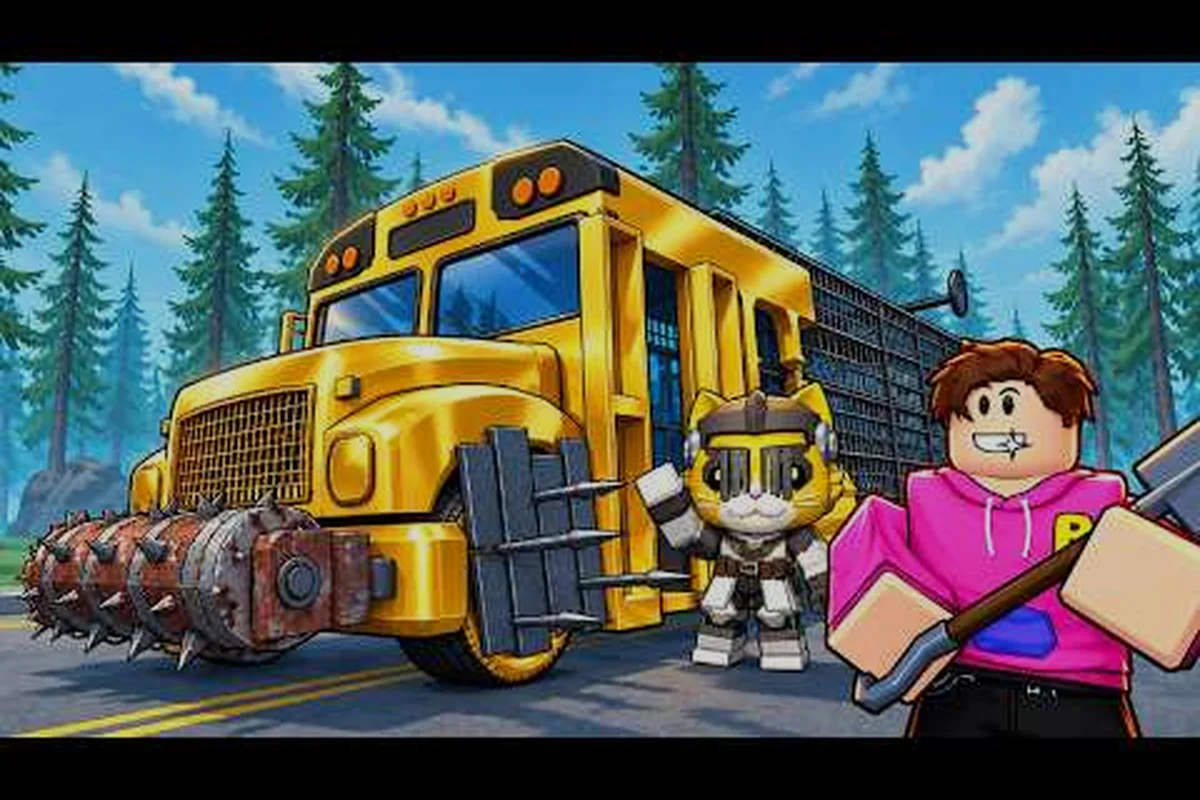
Last Stop Alien Bus: How to Unlock and Stack the Top Combo
Unlock the Last Stop Alien Bus step by step, pair it with the Alien class for stacked bonuses, and see why it tops the tier list for boss runs.
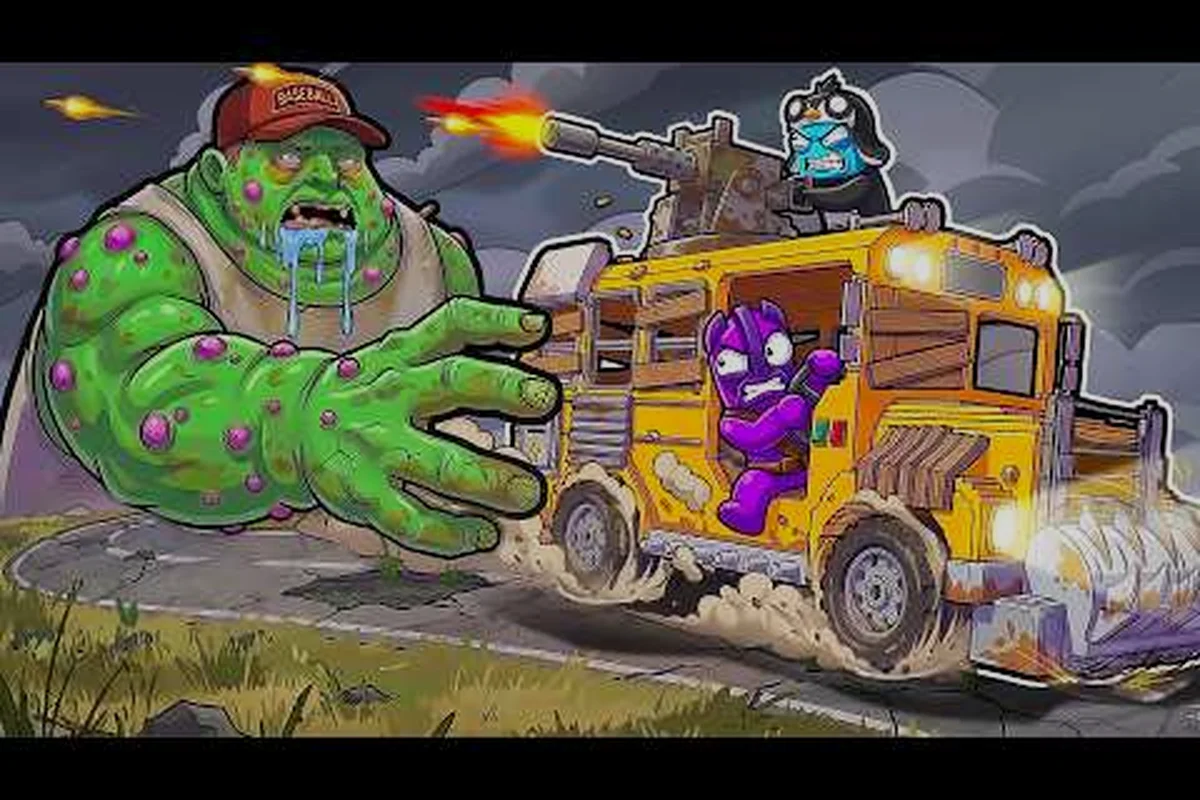
Last Stop Bulletproof Windows: Ranged Defense and Wall Pairings
Pair Last Stop bulletproof windows with metal walls to block bandit and military gunfire, and learn where they fit in the bus defense layout.
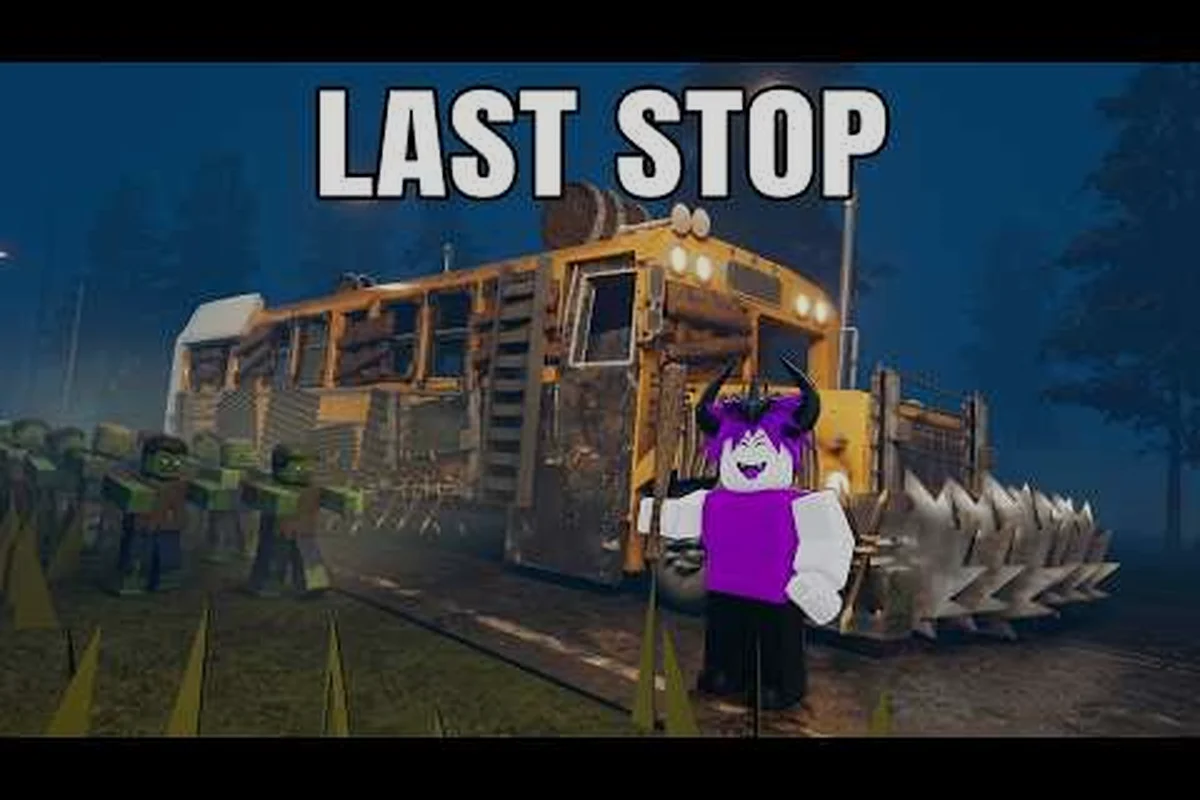
Last Stop Bus Armor: Wall Tiers and Durability Tradeoffs
Stack Last Stop bus armor from basic walls up to metal walls, weigh the snow plough grill against the saw grill, and pick the right defensive tier.
All Articles
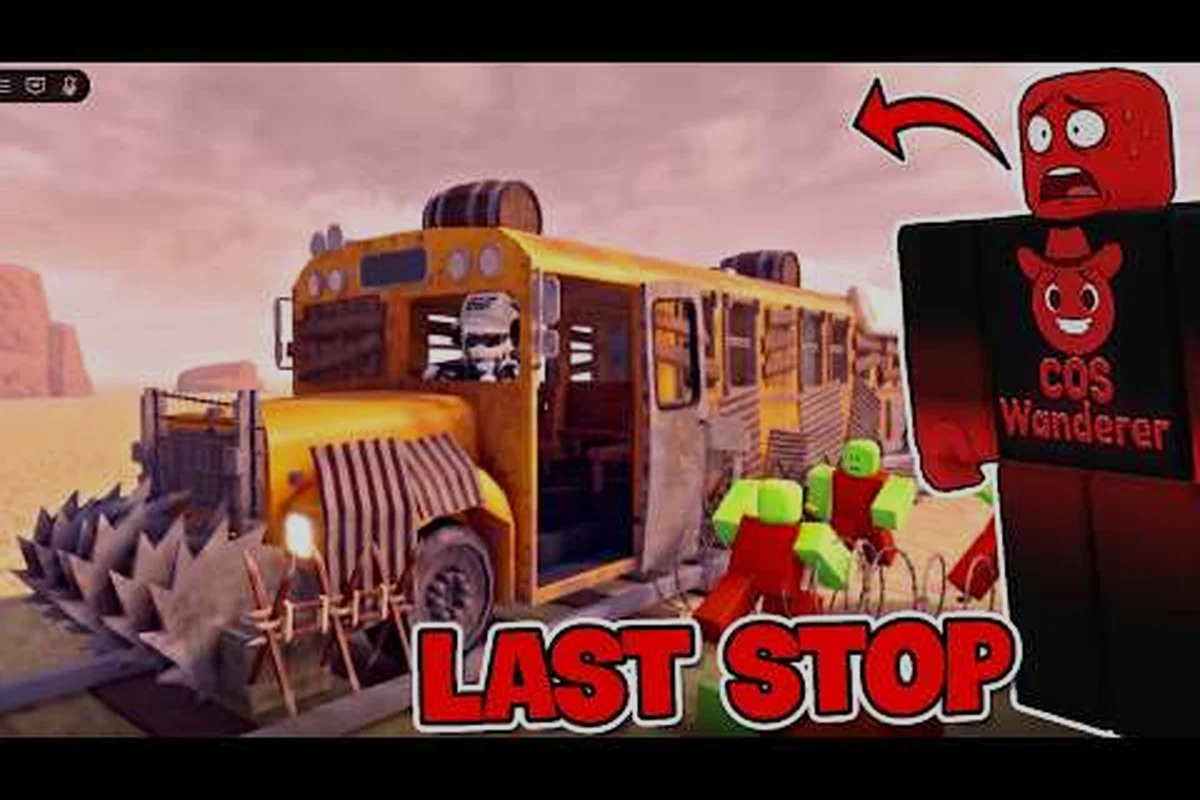
Last Stop Bus Fuel: Gas Tank Tips and Stop-to-Stop Refueling
Keep a Last Stop bus fuel chest beside the gas tank, learn which stops trade fuel and rockets, and never run dry on a long night leg.
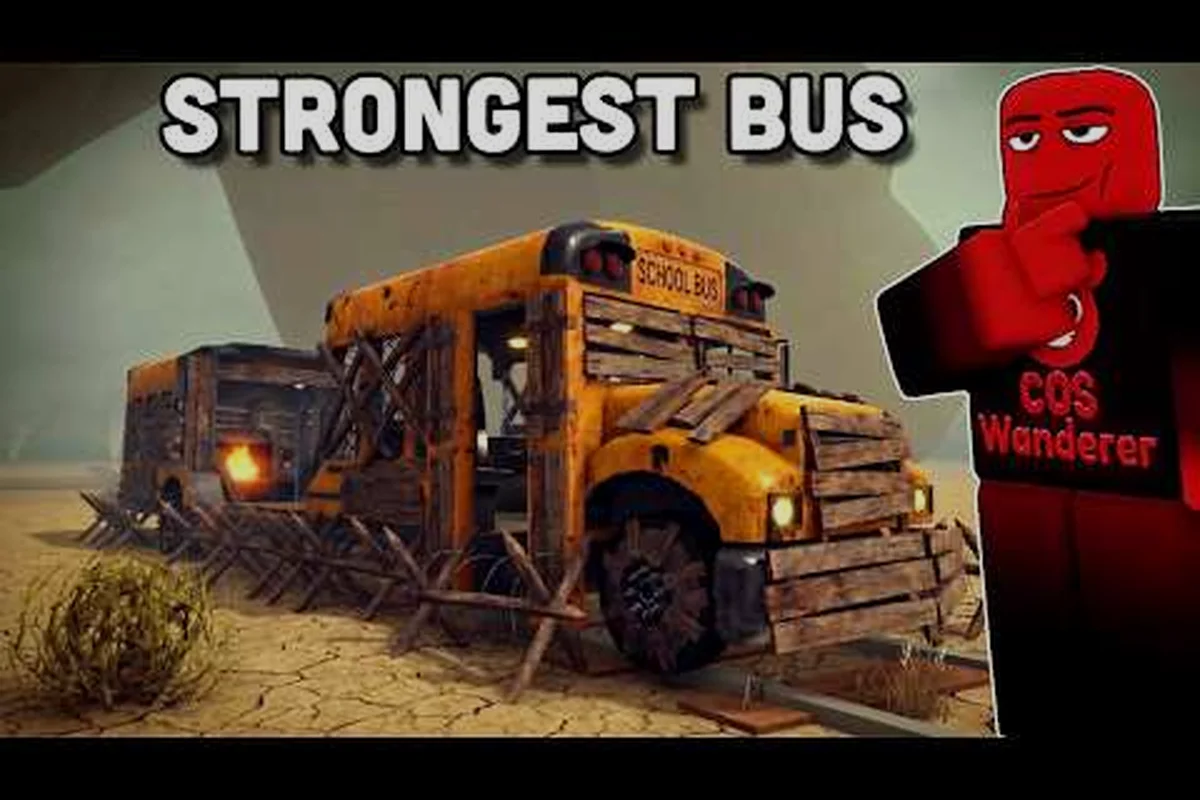
Last Stop How to Build Bus: Walls, Windows, and Grills
Learn how to build bus in Last Stop with the Z action — place metal walls, bulletproof windows, and choose between the snow plough and saw grill for survival.
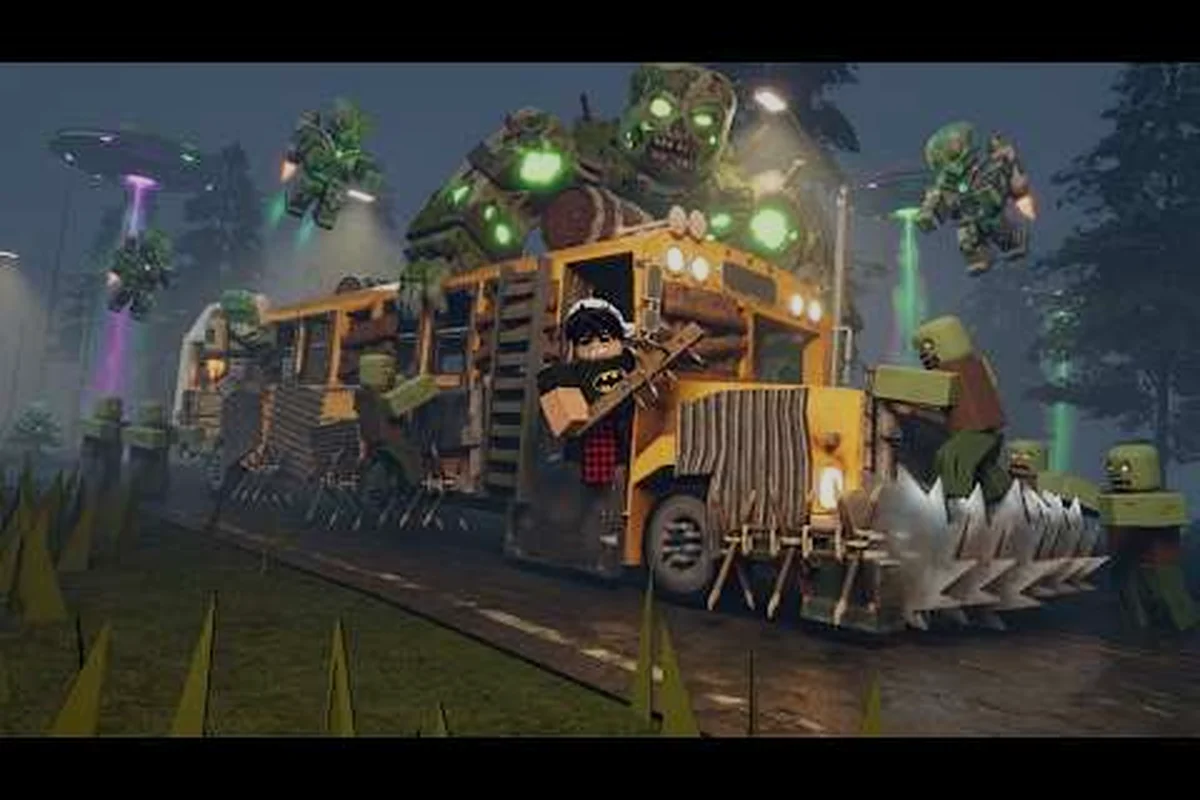
Last Stop Overhead Storage: Chests, Roof Space, and Capacity
Expand your bus with Last Stop overhead storage, double chests, and roof racks to push inventory capacity toward near-infinite loot hauls.
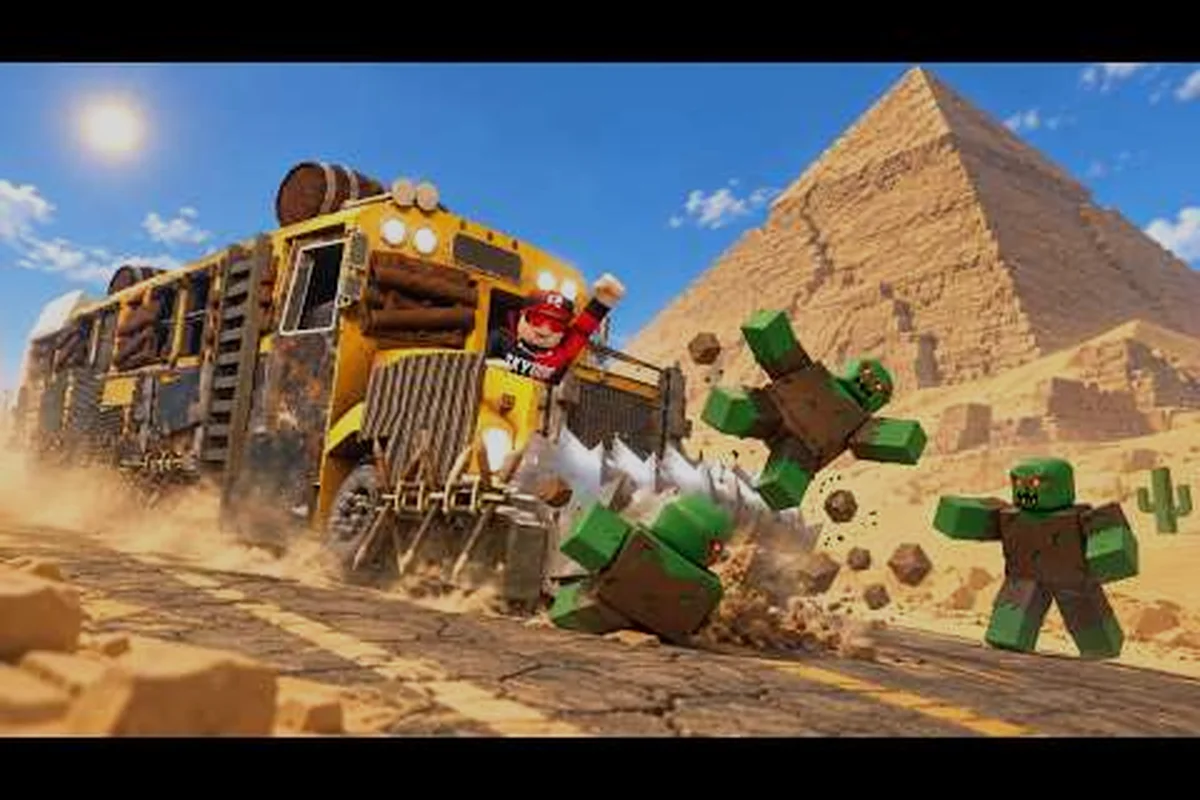
Last Stop Spare Tire: Blowout Protection and Wheel Survival
Carry a Last Stop spare tire against random wheel blowouts, learn when spikes wreck your bus, and keep rolling past the next scavenge run.